Tidal Navigation & Reef Clearance in Remote Coves
Published January 2026 • By Dr. Elena Cruz
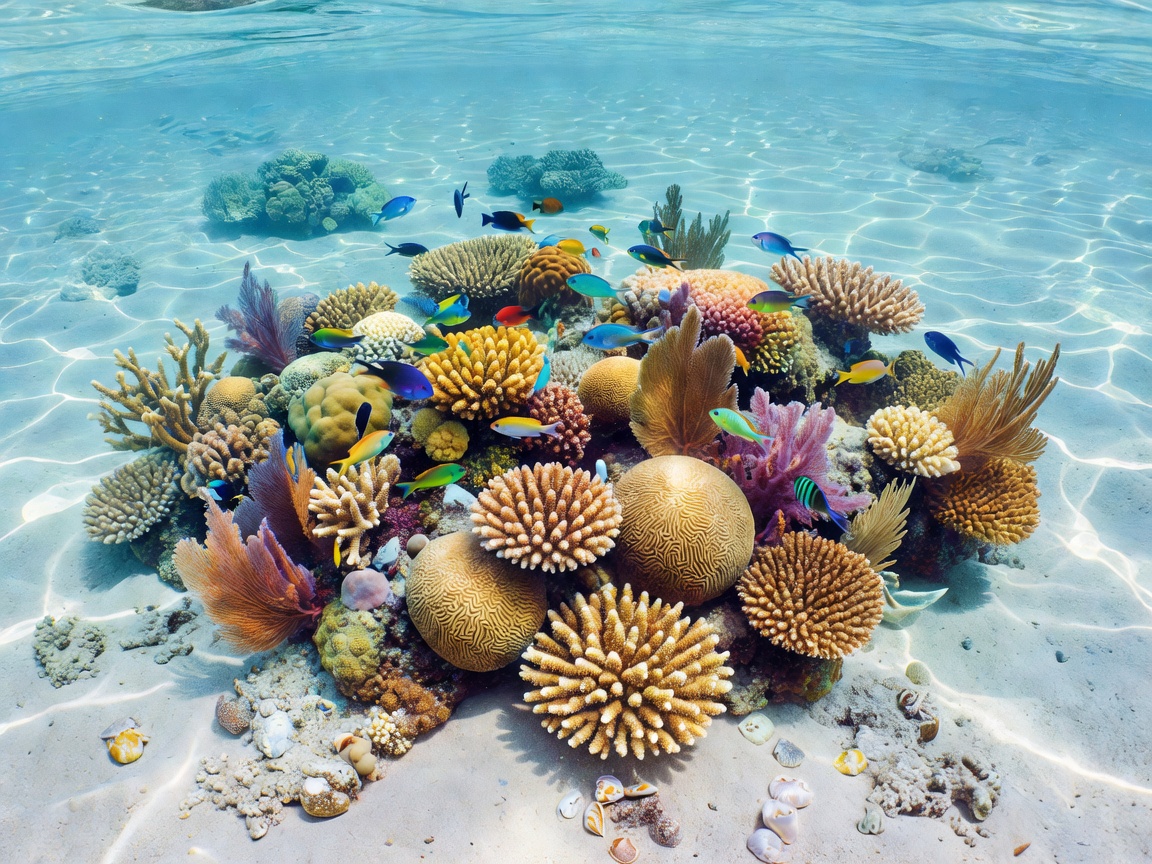
1. Reading Water Color and Depth Variations
Navigating shallow coral channels requires developing an eye for subtle water color variations. Deep blue water indicates depths over 10 meters, electric turquoise signals 2 to 5 meters over white sand, while brownish-green hues reveal shallow coral heads (bommies) that can sit less than a meter below the surface at low tide.
2. Calculating Spring vs. Neap Tidal Clearance
In equatorial Asian waters, spring tide cycles can create water level swings exceeding 3.5 meters. Shallow-draft wooden longtails and sea kayaks must calculate entering narrow cove channels during a rising slack tide, ensuring ample depth to pass over shallow barrier reefs without risking vessel grounding or coral strike.
3. Lagoon Gate Currents & Entry Timing
Many isolated tropical lagoons are guarded by narrow limestone gates where tidal currents reach speeds up to 5 knots during mid-tide cycles. Entering at exact high-water slack tide minimizes steering resistance and eliminates standing wave chop generated at narrow lagoon mouth bottlenecks.